Skip to content

60% of Cognitive Impairment Goes Undetected

Creyos detects what clinical observation and traditional cognitive screening tools may miss, early enough to change the care plan.

Get a Demo Explore Platform

10,000+

clinicians use Creyos

20M+

tasks completed

30+

years of research

HIPAA + SOC 2

compliant

Trusted by Leading Healthcare Organizations

From independent practices to enterprise health systems

BY ORGANIZATION

Creyos Fits Your Care Setting

  • SFPC

    Senior-Focused Primary Care

    Cognitive decline is one of the most commonly missed and undercoded conditions. Creyos screens during Annual Wellness Visits so your team catches impairment earlier and documents it accurately.

    For Senior-Focused Primary Care
  • Health System

    Health Systems and IDNs

    Cognitive impairment caught late means unnecessary referrals and higher downstream costs. Creyos unifies screening across your network to catch it at the front door, not the specialist's office.

    For Health Systems and IDNs
  • Practices

    Independent Practices

    You don't have extra staff or hours to spare on lengthy cognitive testing. Creyos delivers validated results in minutes, with no setup or manual scoring.

    For Independent Practices
  • Payers

    Payers and Plans

    Missed cognitive decline means missed diagnoses and undocumented HCC codes. Creyos catches it earlier so you can document it, code it, and act on it.

    For Payers and Plans
  • Researcher-2

    Researchers

    Creyos draws on 85,000+ normative participants and is tested across 400+ peer-reviewed studies, providing a validated foundation for cognitive measurement.

    For Researchers

BY SPECIALTY

What Healthcare Leaders Tell us

Before They Switch

I need cognitive assessment data I can act on. Not a single score that tells me what I already know.

Traditional screeners like the MoCA and MMSE lack the sensitivity to detect mild cognitive impairment across specific domains. They miss what your clinical judgment suspects but can't yet document, whether it's early memory loss or subtle domain-specific decline.

For Neurologists

AI LEADER IN DIGITAL COGNITIVE ASSESSMENT

AI is Only as Good as the Data Behind It

Creyos has been applying machine learning techniques to real clinical data since 2012 — so cognitive test results are more accurate, not just more automated.

NORMATIVE BENCHMARKING

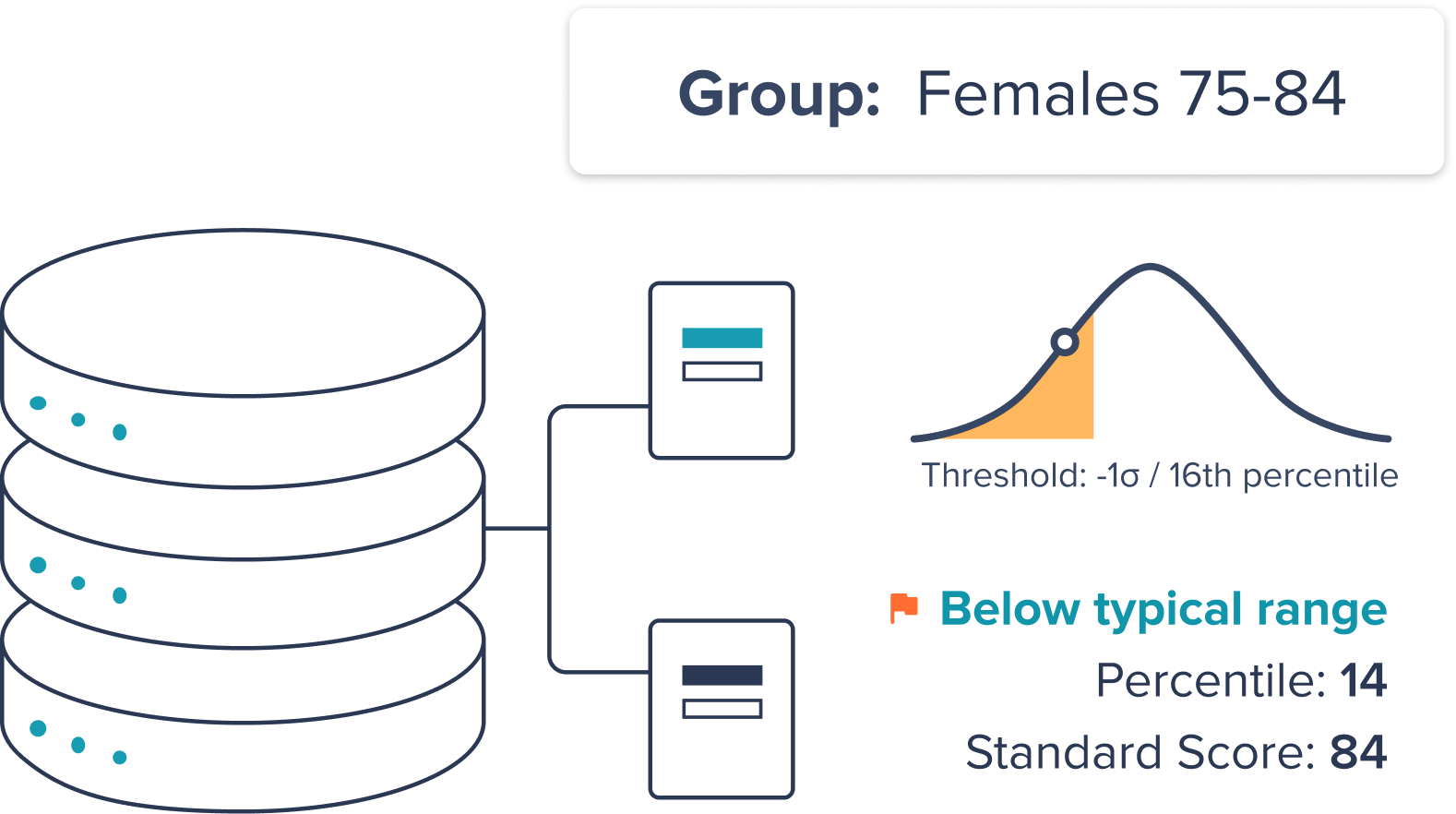
Benchmarks That Actually Reflect Your Patients

Your patient is compared against the right reference population — not a generic cutoff. Creyos norms draw from over 85,000 participants across age, education, cultural background, and language, so the results mean something for the person sitting in front of you.
Benchmark

LONGITUDINAL TRACKING 

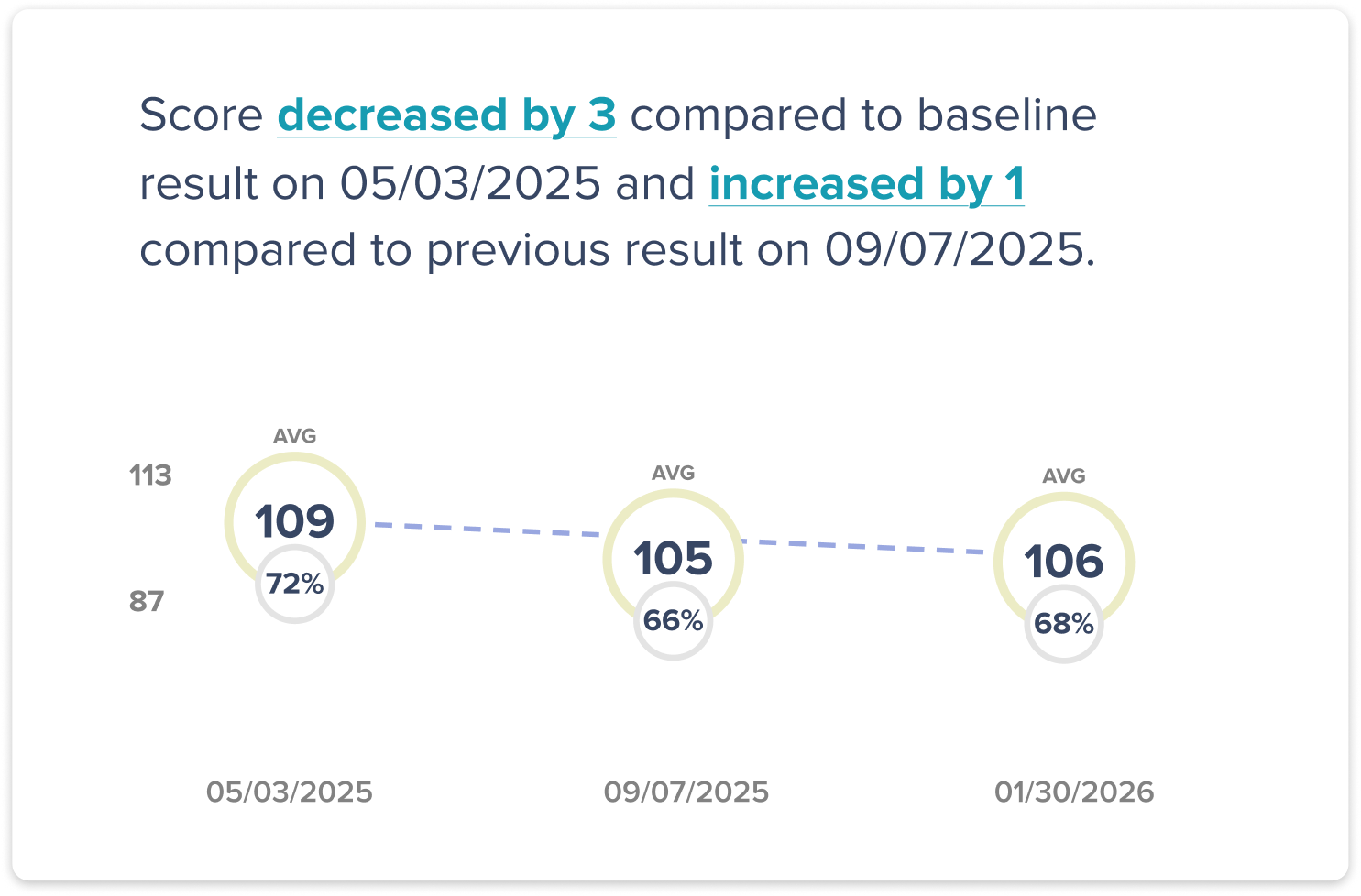
Cognitive Trajectories, Not Just Snapshots

One score tells you where a patient is today. A trajectory tells you where they're heading. Creyos separates real cognitive change from normal test-to-test variation, so your care team knows whether to act now or monitor over time.
Tracking

CLINICAL INTELLIGENCE

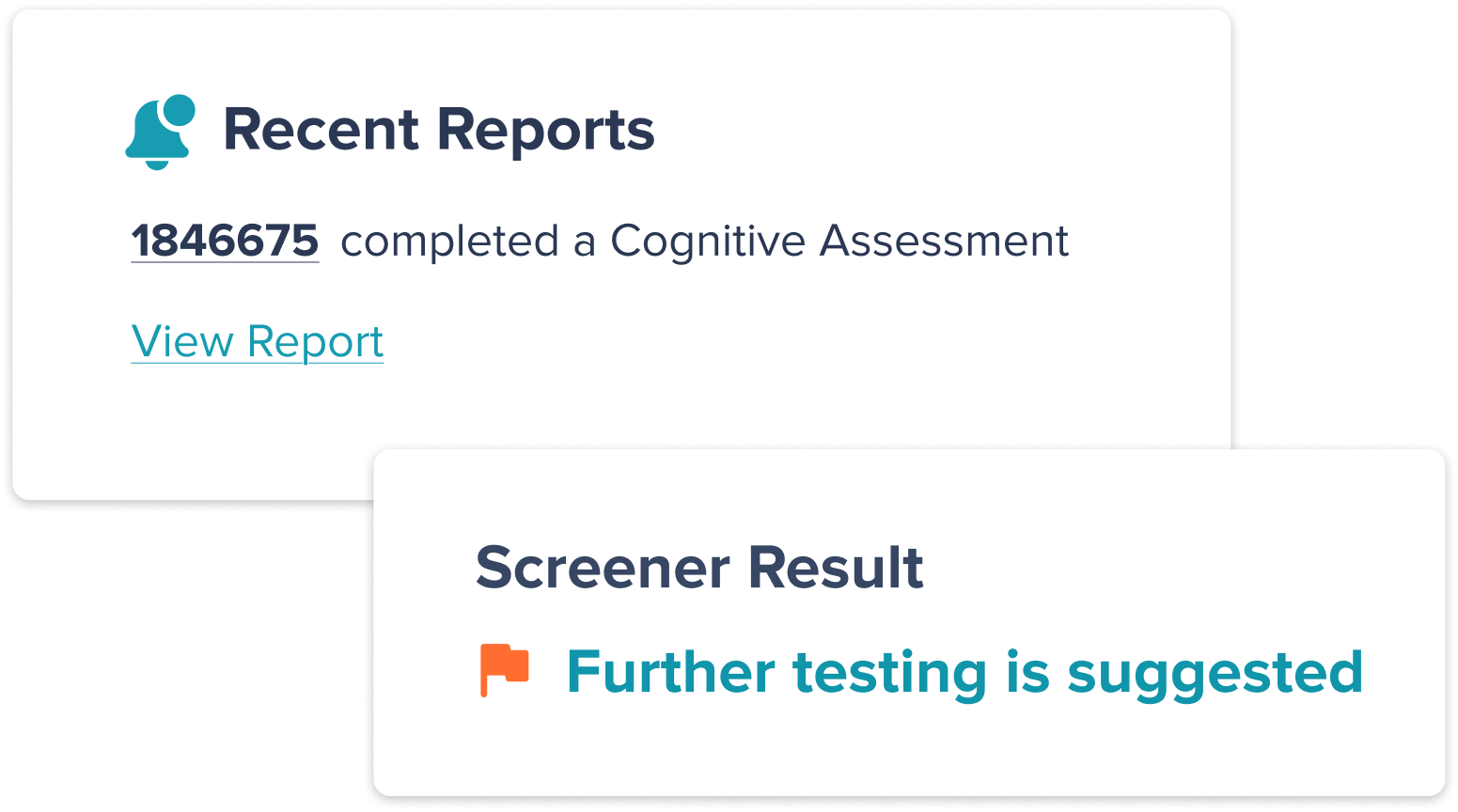
Results Ready When the Patient Is Still in the Room

Reports generate the moment an assessment ends: task scores in plain language, performance flags, and care pathway guidance. Structured for documentation, coded for reimbursement, built for your EHR.
Report-Jun-12-2026-05-12-01-8834-PM

OUR TIMELINE. FROM DATA TO INTELLIGENCE.

1990s

fMRI research maps cognitive domains to brain regions.

2012

Creyos brings cognitive assessment online, applying machine learning to clinical data at scale.

2017

Behavioral health questionnaires are added to the platform to enable more comprehensive evaluation.

2023

Creyos grew to support tens of thousands of clinicians and practices.

2025

20M+ tasks completed. One of the largest cognitive datasets in healthcare.

2026

Cognitive testing meets the age of AI, with decades of clinical data making every assessment more accurate.

THE SCIENCE BEHIND CREYOS

Born in the Lab. Not the Boardroom.

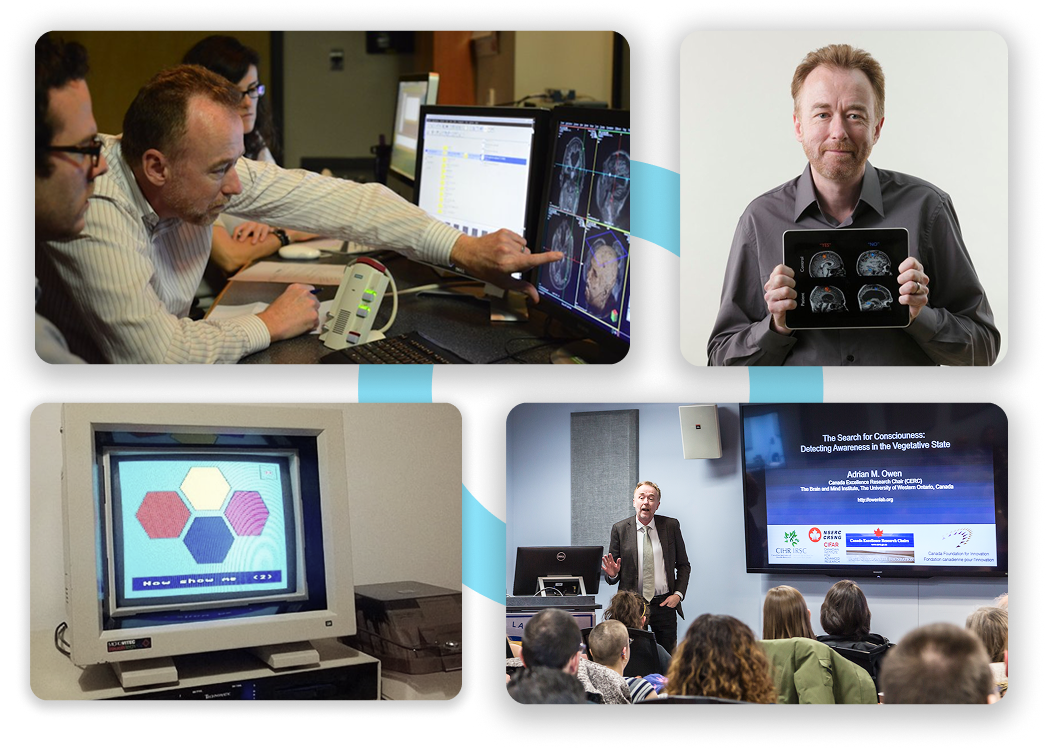
Chief Scientific Officer Adrian Owen built the foundational cognitive tasks across three decades at Cambridge and Western University.

His work, cited over 82,000 times and published in Nature and Neuron, didn't get licensed to build Creyos — it became Creyos. That scientific foundation is now validated across 400+ peer-reviewed studies.

See How It Works
Adrian Collage-2
AD

March 2026

Early cognitive screening for individuals on the dementia continuum: A novel approach amid current trends

Nature

January 2025

An online multidomain lifestyle intervention to prevent cognitive decline in at-risk older adults: A randomized controlled trial

JAHA-3

January 2026

Cognitive outcomes in randomized controlled trials of coronary artery bypass graft surgery from 2005 to 2025: A systematic review

THE BUSINESS CASE FOR COGNITIVE ASSESSMENT

Cognitive Assessment That Pays for Itself

HCC Coding and RAF Score Improvement

Cognitive conditions like dementia carry significant HCC weight, but they're among the most commonly undercoded in Medicare Advantage — because without systematic screening, you can't document what you haven't measured. Creyos captures your patients' true risk.

CPT Reimbursement from Cognitive Testing

The Creyos platform supports billing under common CPT codes for neuropsychological, psychological, and cognitive services. For fee-for-service practices and health systems, that means reimbursable revenue from assessment that's already part of your clinical encounter, just not yet captured.

Smarter Referrals, Lower Total Cost of Care

When primary care physicians have objective cognitive data before referring, unnecessary specialist appointments drop. That frees up capacity, reduces total cost of care, and shortens wait times for the patients who need them most.

See What Creyos Looks Like in Your Care Setting

Get a Demo

Questions We Get Asked

What is a cognitive assessment?

A cognitive assessment is a standardized evaluation of cognitive function across domains like short-term memory, reasoning, and concentration. Unlike a brief screening, a cognitive assessment measures cognitive ability and cognitive performance in enough detail to inform clinical decisions. Creyos cognitive assessments are completed online, scored automatically, and validated across 400+ peer-reviewed studies.

How are Creyos cognitive tests different from the Montreal Cognitive Assessment (MoCA) or Mini-Mental State Examination (MMSE)?

Traditional cognitive screening tools like the Montreal Cognitive Assessment (MoCA), Mini-Mental State Examination (MMSE), clock drawing test, and Mini-Cog are designed to flag whether further evaluation may be needed, but they offer limited detail on where cognitive function is breaking down. The MMSE in particular has low sensitivity for mild cognitive impairment, and briefer tools like the Mini-Cog and clock drawing test are not designed to differentiate between specific domains. Creyos goes deeper, measuring cognitive performance across multiple domains with the granularity to characterize the pattern of impairment — not just whether impairment is present. Creyos is also self-administered, digitally scored, and available in multiple languages.

How does cognitive assessment support early detection of cognitive impairment?

Early detection of cognitive impairment depends on testing sensitive enough to identify subtle cognitive decline before symptoms like memory loss become obvious to healthcare providers or family members. Creyos detects changes across specific cognitive domains, not just an overall score, making it possible to characterize the pattern of decline, identify mild cognitive impairment, and begin treatment earlier, when intervention has the most impact on patient well-being.

Can cognitive assessments be self-administered in primary care?

Yes. Creyos cognitive assessments are self-administered by patients, in-clinic or remotely, with no active staff involvement required. Patients complete the assessment before or during their visit, and results are available immediately. This makes cognitive assessment practical for primary care physicians and primary care settings where time and staffing are limited.

How does cognitive assessment help identify dementia?

Neurocognitive conditions like dementia and Alzheimer's disease often go undiagnosed because symptoms like memory problems and difficulty with daily living develop gradually. A cognitive assessment can objectively measure changes in memory, attention, and thinking abilities over time, giving clinicians the data to identify cognitive decline earlier, document it for clinical purposes, and determine next steps including treatment options and referral for further evaluation.