How Telapsychiatry Diagnoses ADHD with Confidence as Requests Surge
- ORGANIZATION
- Telapsychiatry
- PATIENT POPULATION
- Children and Adults
- CARE MODEL
- Remote, Telehealth-First Private Practice
- LOCATION
- 12 States
- FEATURED CLINICIAN
- Dr. Ozan Toy, MD, MPH
- CREYOS CUSTOMER SINCE
- 2022
of Dr. Toy's patients arrive with concerns about attention, focus, or memory — more than his subjective tools alone could confidently explain.
objectively assessed in under 25 minutes, layered onto patient self-report and his clinical judgment to support each ADHD evaluation.
of patients who present with ADHD concerns are confirmed with support from objective cognitive testing; the rest are confidently ruled out.
"Creyos gives us more confidence to make a diagnosis and treat patients. In psychiatry, we don't traditionally have cognitive testing available for ADHD or related conditions, so we rely on subjective evaluation. But with Creyos, we get a detailed picture of brain health that's based on objective data."
Accessible psychiatric care, built for a virtual practice
Telapsychiatry is a physician-led virtual practice delivering psychiatric and mental health care by telehealth to patients across 12 states. Its team of psychiatrists, therapists, physician assistants, and nurse practitioners is built around one idea: High-quality mental health care should be accessible and affordable, reaching patients wherever they are rather than wherever a clinic happens to be.
Their care model shapes how the practice treats patients. Care is delivered remotely over HIPAA-compliant video, the practice accepts many commercial insurance plans alongside self-pay options, and its clinical philosophy leans toward lifestyle change and the minimal effective medication dose. Its services span medication management, psychotherapy, and advanced diagnostics.
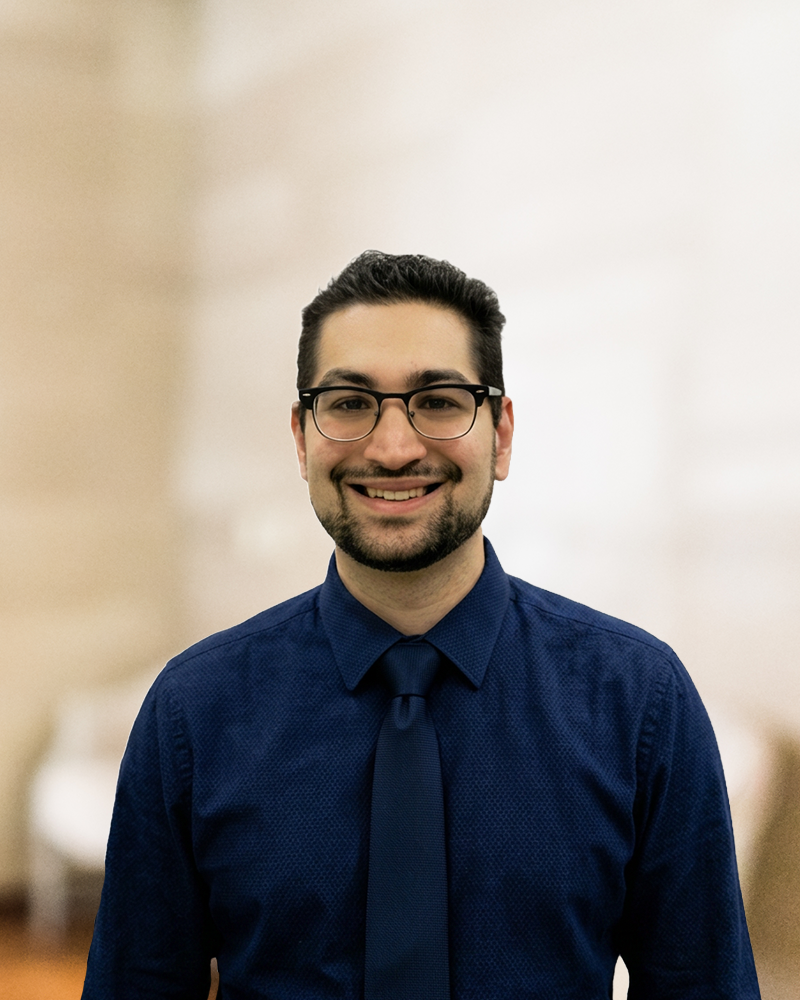
Dr. Ozan Toy, MD, is one of the practice's psychiatrists, seeing roughly 150 patients a month.

An ADHD surge that outpaced what subjective tools could confirm
During the pandemic, Dr. Toy watched ADHD evaluation requests climb until nearly 80% of his patients were arriving with concerns about attention, focus, or memory. Many were adults between 18 and 60 with no childhood history of ADHD symptoms or diagnosis. The demand was pressing, and it wasn't going away.
The problem was that his standard tools could not reliably tell him what was driving those symptoms. The Adult ADHD Self-Report Scale (ASRS) captures a patient's subjective experience, but it cannot isolate the cause of inattention, and many conditions mimic it: anxiety, depression, mood conditions, and sleep disorders among them. Working almost entirely over telehealth, Dr. Toy also could not fall back on childhood academic records, which are nearly impossible to track down.
That left him making high-stakes diagnostic and prescribing decisions on subjective information alone, at exactly the moment ADHD prescribing was drawing more scrutiny. He wanted to reach the right answer for each patient, whatever it turned out to be.
“During the pandemic, we saw so many adults report trouble focusing, without any prior history of ADHD. It was really difficult to make an assessment based solely on subjective evaluation. And getting academic records from a person's childhood is almost impossible. So we needed a different solution.”
Adding objective data to the psychiatric evaluation
Dr. Toy added Creyos cognitive testing to his standard psychiatric assessment so he could layer objective data onto his clinical judgment, rather than replace it. The cognitive assessment gives him an objective read on attention and executive function to corroborate or challenge his clinical impression.
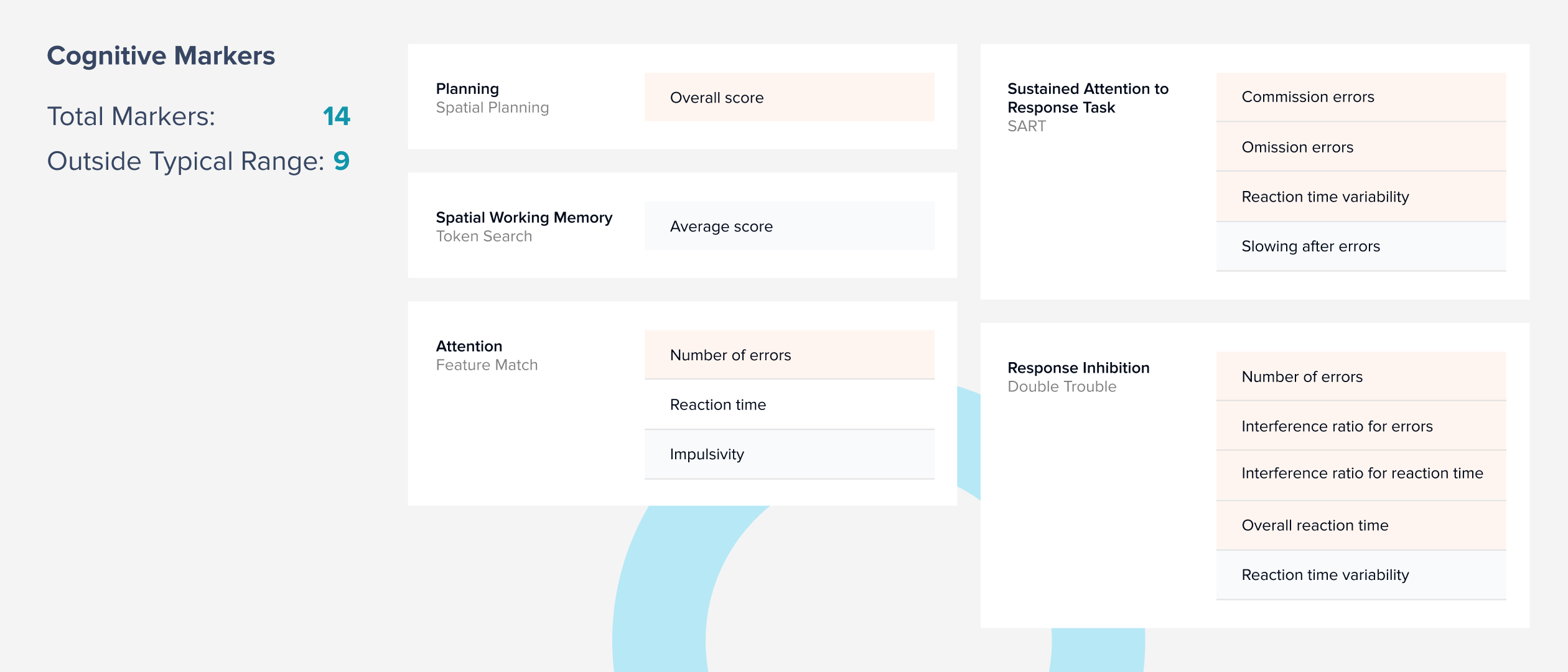
It fit what a remote practice needs. The assessment measures 14 cognitive markers of ADHD, including the Sustained Attention to Response Task (SART) and an age-appropriate questionnaire, and patients complete it in under 25 minutes. It runs remotely, so it slots into a fully virtual practice without adding administrative burden, and it produces an immediate, easy-to-read report.
"It's great to have an objective evaluation that complements our standard psychiatric assessment, and layer that objective data onto the subjective insights we already gather."
How the assessment fits a remote workflow
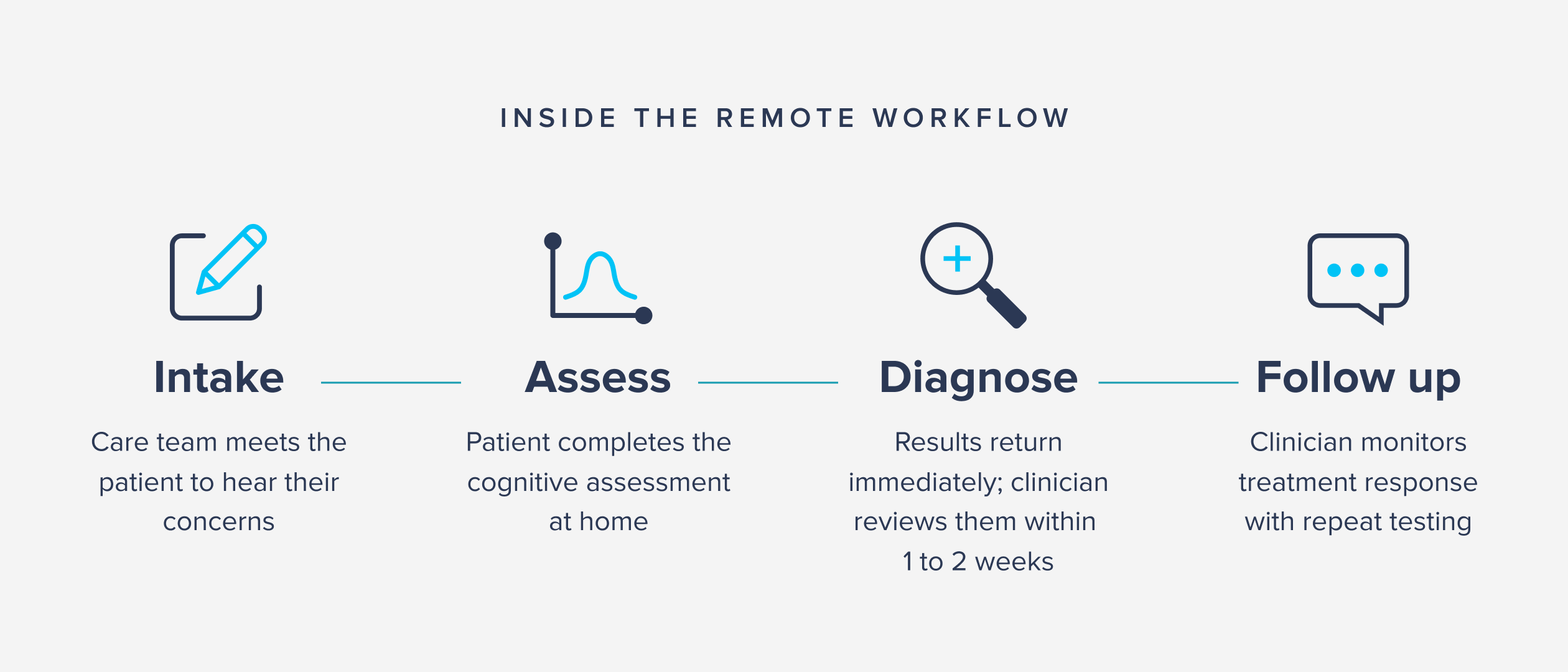
Because Dr. Toy's entire patient population attends via telehealth, the cognitive assessment runs within that virtual workflow, with no in-person visit required. It begins where any psychiatric evaluation does, with the Telapsychiatry team meeting the patient to hear their concerns. From there, Dr. Toy sends the assessment for the patient to complete at home, before any medication or caffeine.
That at-home step is not only a convenience of remote care, but can also help support more accurate assessment. Caffeine can influence attention, and a rushed clinical setting can skew results, so completing the assessment in a focused environment at the patient's own best time of day gives Dr. Toy a more accurate read on cognitive performance than a hurried in-office attempt would.
Results are generated immediately and automatically following the assessment, and a follow-up is scheduled within 1 to 2 weeks. At this visit, Dr. Toy reviews the objective data alongside his clinical impression to determine the diagnosis and treatment plan. From there he monitors how patients respond, and most report symptom improvement within 2 to 3 months.
More confident diagnoses and quicker symptom improvement for patients
With objective data alongside his clinical evaluation, Dr. Toy can more confidently identify true cases of ADHD. Of the patients who come to him with ADHD concerns, about 30 to 50% show results indicative of ADHD, and he can confidently rule it out for the rest, pointing them toward the right care for whatever is actually driving their symptoms.
That confidence translates into improved efficiency, too. Because results return immediately, Dr. Toy can move to a treatment plan in the same short window instead of waiting on hard-to-find childhood records for corroboration. Patients who begin treatment generally report symptom improvement within 2 to 3 months.
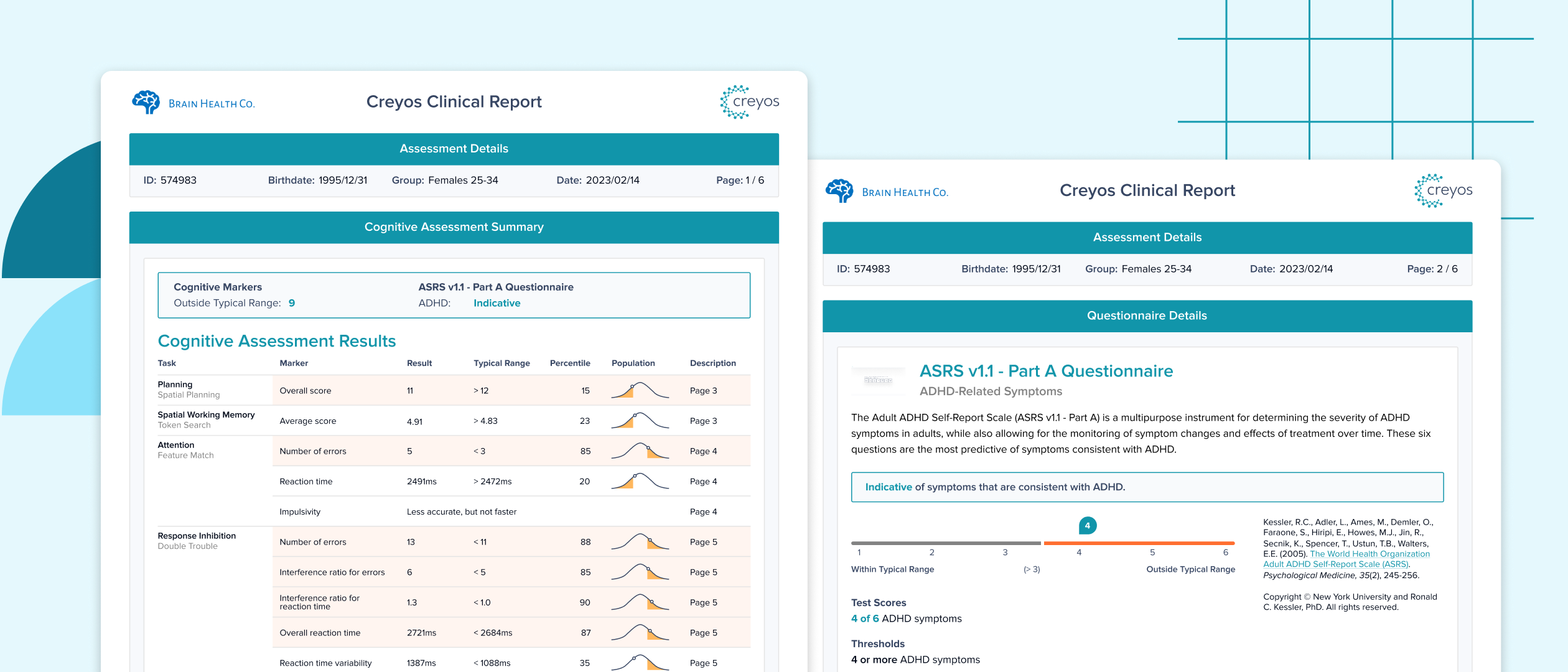
The objective report also strengthens documentation. Dr. Toy's office can efficiently produce the paperwork patients need for accommodations at work or school, which matters most for adults who face the steepest obstacles to getting assessed and supported. For a practice built on accessibility, efficient assessment and documentation are part of delivering care equitably.
What confident ADHD diagnosis makes possible
Confident, objective cognitive assessment changes the experience for patients, not just the clinician. They get answers quickly and those who need treatment can begin sooner. For patients ruled out, it can mean being pointed toward further assessment and the right care for what is actually driving their symptoms.