Skip to content

Surface Undetected Cognitive Risk Across Your Medicare Advantage Population

Scalable cognitive assessment that helps Medicare Advantage plans identify risk of cognitive decline earlier, stratify populations more accurately, and proactively manage high-risk members.

Talk to a Solution Expert   

The Cost of Undetected Cognitive Impairment

Diagnosis

Delayed Disease Diagnosis

Decline is identified too late—after functional loss and avoidable high-cost events.

Utilization

Avoidable Care Utilization

Unrecognized impairment leads to preventable ED visits, stays, and readmissions.

Treatment

Uncontrolled Chronic Conditions

Cognitive barriers undermine adherence, self-management, and overall disease stability.

Intervention

Missed Early Interventions

Early warning signs are overlooked, limiting timely, cost-saving action.

The Measurable Impact of Better Cognitive Assessment

Hospital

Undiagnosed dementia drives more emergency visits and hospital readmissions—many of which earlier identification can avoid.

Cost

~30% lower Alzheimer’s-related medical costs when mild cognitive impairment (MCI) is screened for early versus no screening.

Saving

Community dementia screening generates nearly 10% total cost savings over 10 years by preventing escalated care needs.

Care

Earlier diagnosis delays progression to advanced disease stages, reducing long-term care utilization, complexity, and spend.

From Reactive Responses to Early, Clear Insight

Plans and providers don’t need another standard screener. They need precise, actionable cognitive data to identify risk early and scale care across populations. Creyos enables providers and plans to: 

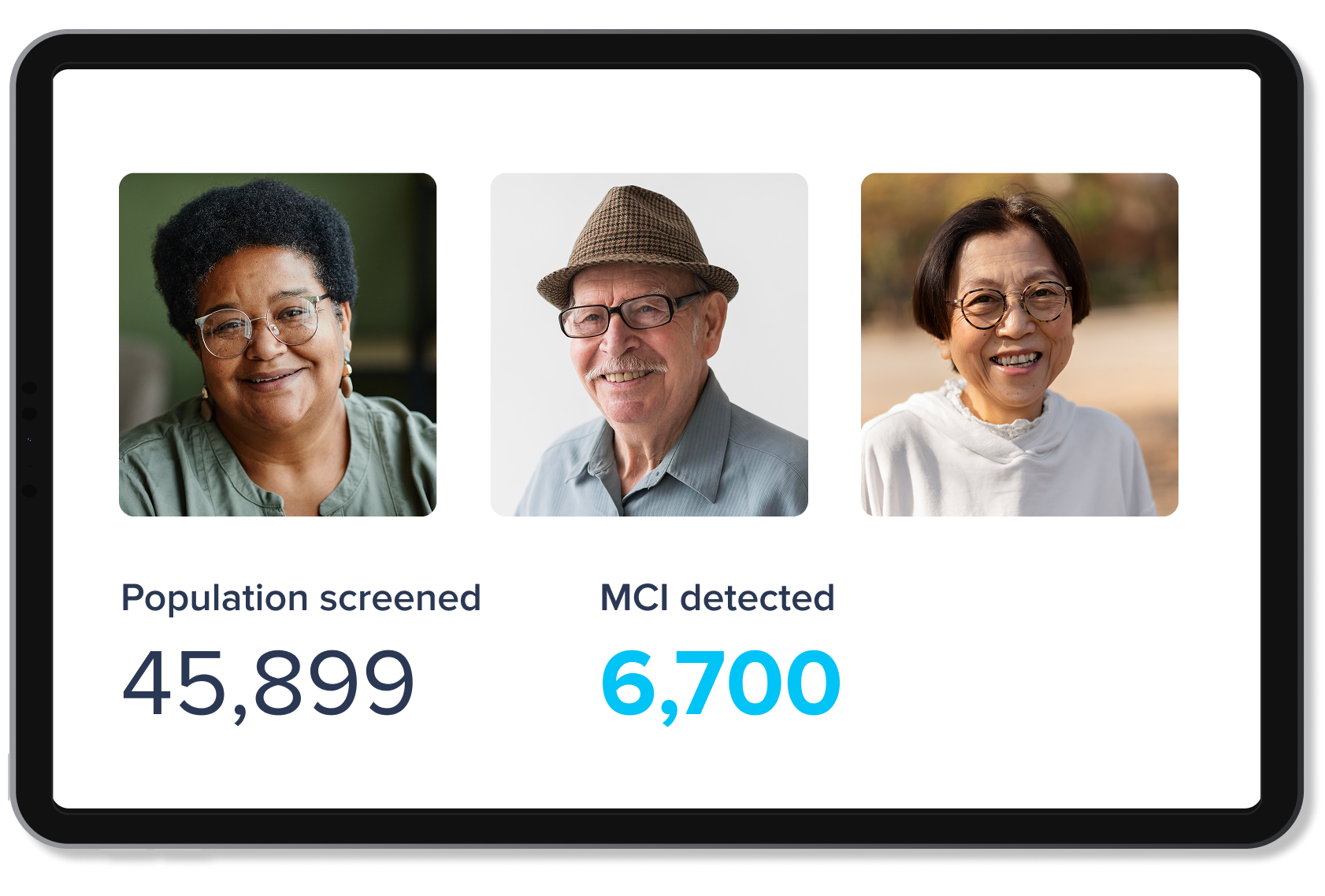
Surface hidden cognitive risk before it escalates cost and complexity of care

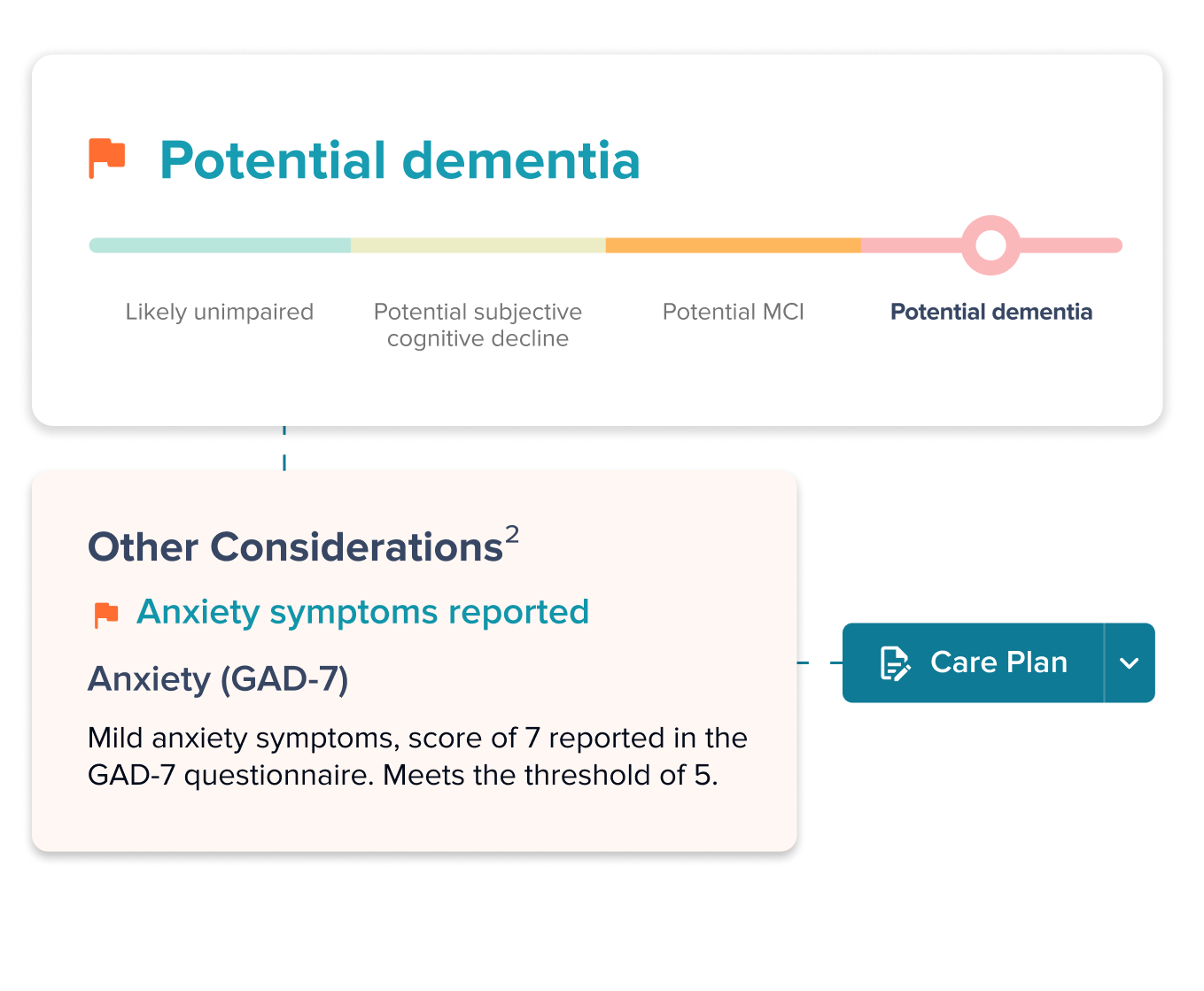
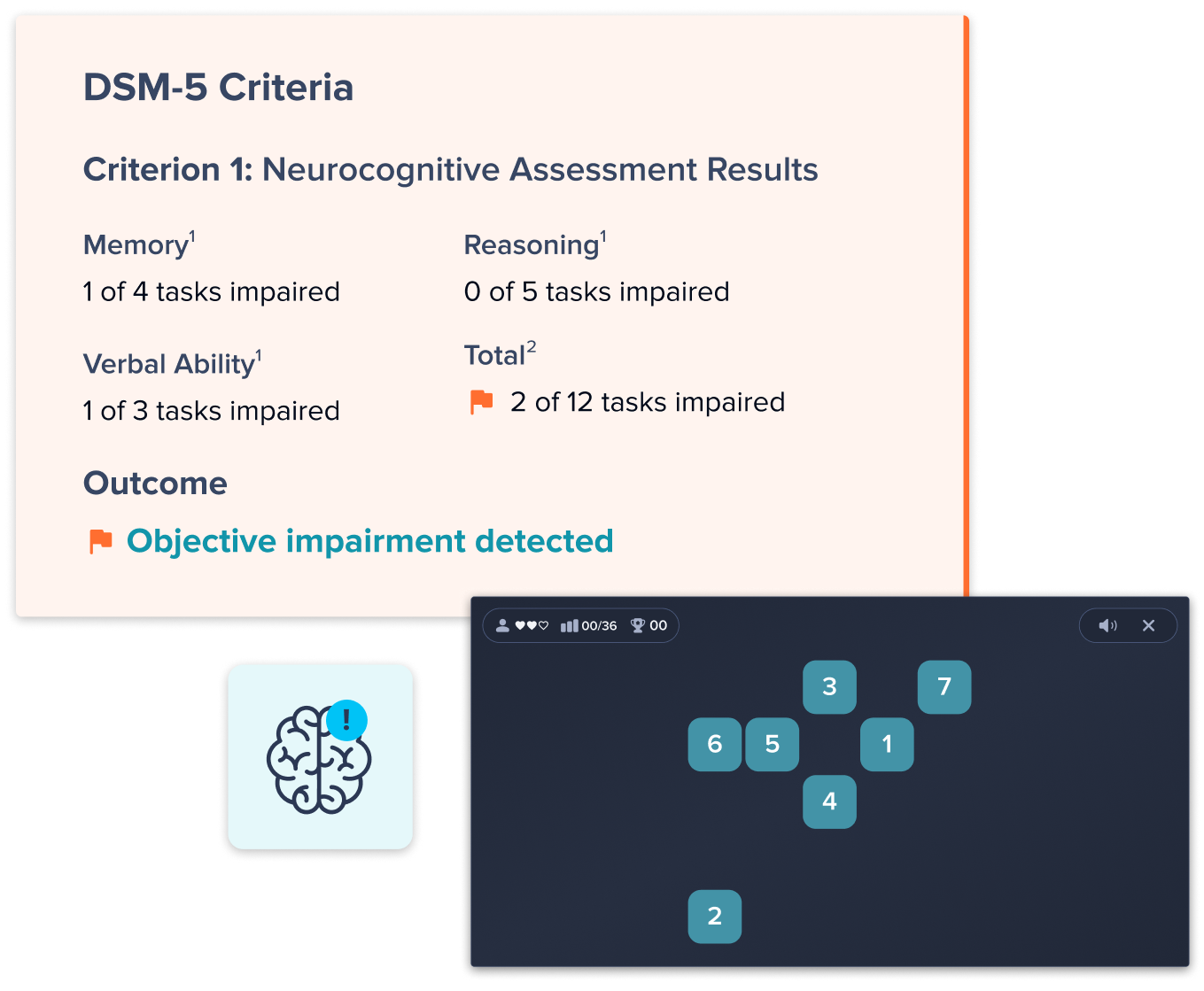
Highly sensitive assessments go beyond traditional screeners to detect subtle cognitive changes at the population level.
Risk-1

Document risk-adjusted conditions more confidently and accurately

Digitized assessments and reports support PCPs in making care decisions and documenting cognitive conditions like dementia, strengthening RAF accuracy.
Objective Data

Risk-stratify members based on population-level cognitive data

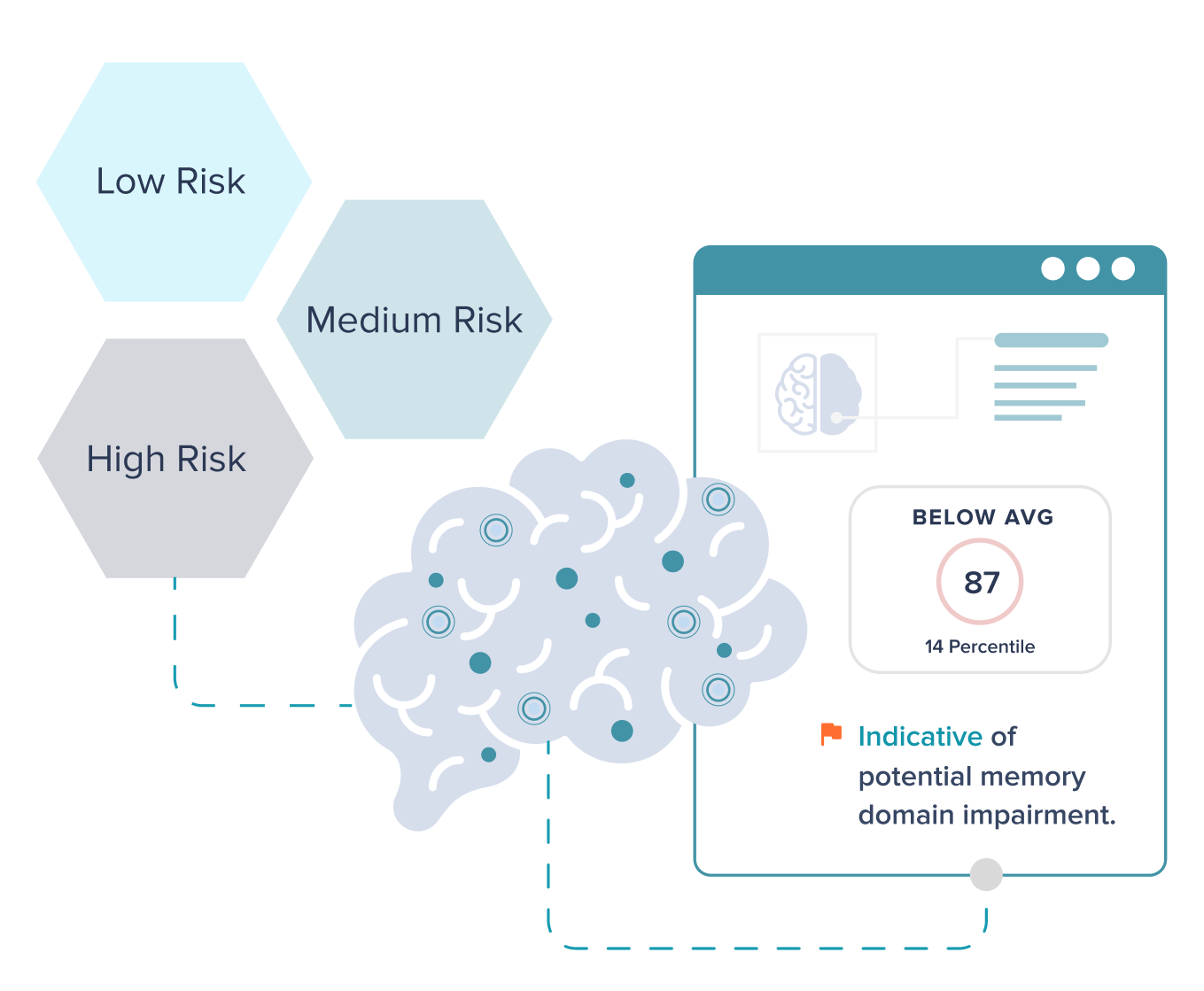
EHR- and workflow-integrated assessments enable scaled implementation across entire populations to identify higher risk groups of patients.
Risk

Reduce total cost of care with cognitive data—no specialty care required

Improved, proactive care starts with identifying risk at scale and evaluating patient needs to enable earlier, more effective management.
Monitor Change
Identify cognitive risk Risk-1 Objective Data Risk Monitor Change

Supporting Integrated Care Across Plans and Providers

Talk to a Solution Expert

Standardize Cognitive Assessment Across the Network

Provide employed and affiliated physician groups with Creyos assessments to standardize testing, improve documentation accuracy, and capture data at scale to identify risk across your member population.

Network-2

Designed To Be Used in Existing Clinical Workflows

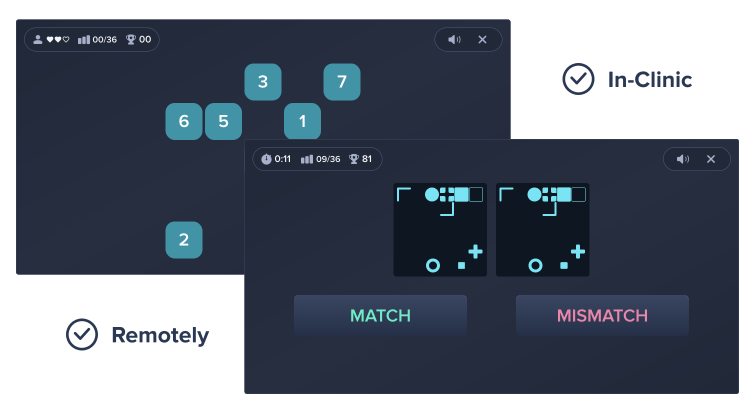
Administered in-clinic or remotely through existing EHR workflows, assessments fit into established visits, clinical operations, and population health reporting.

Workflow-Feb-19-2026-02-50-46-8249-PM

Patients Complete a Brief Digital Assessment

Patients complete a validated, self-administered assessment on a tablet or personal device, either in-clinic or remotely, minimizing staff burden and aligning with current visit patterns.

Assessment

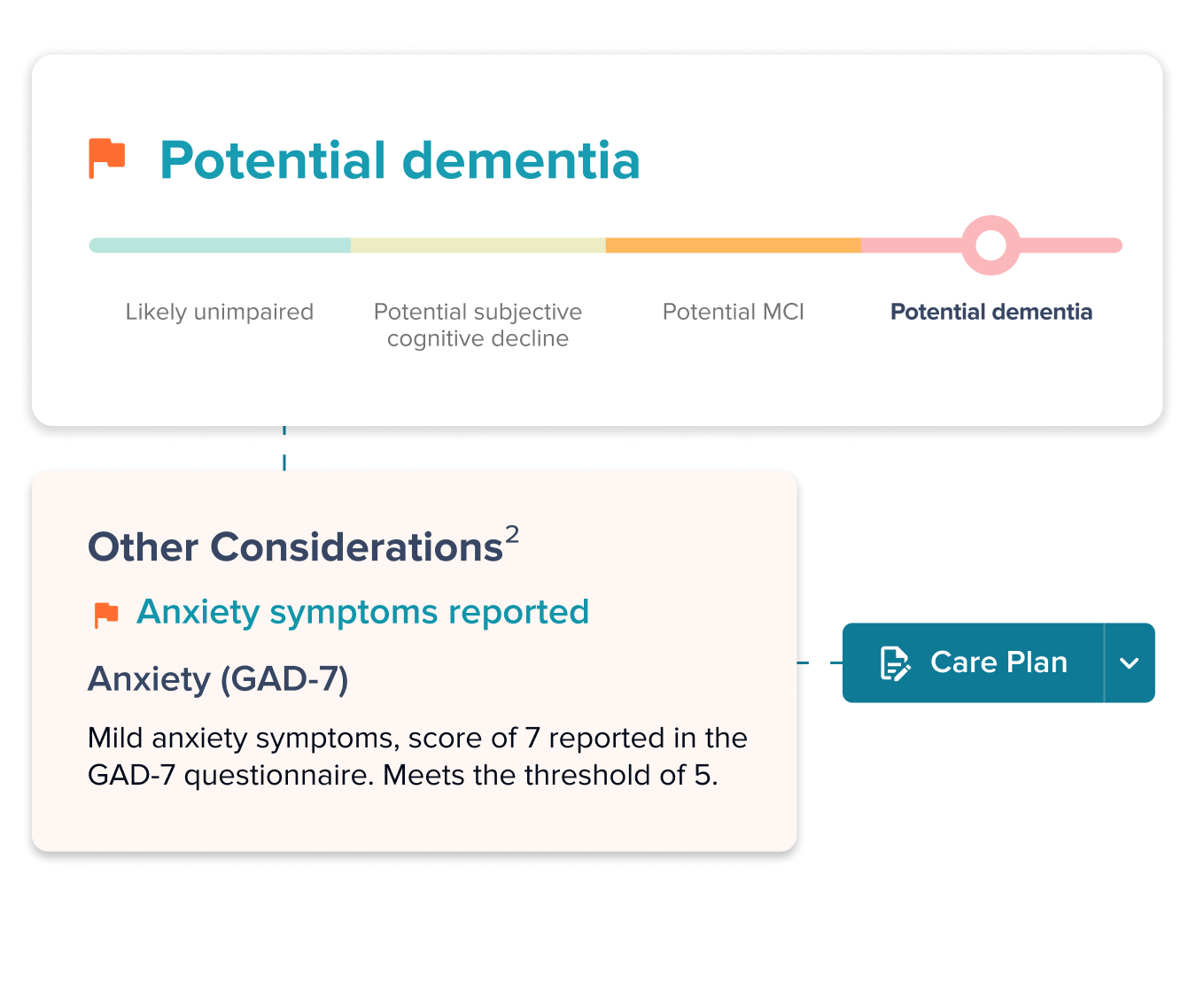
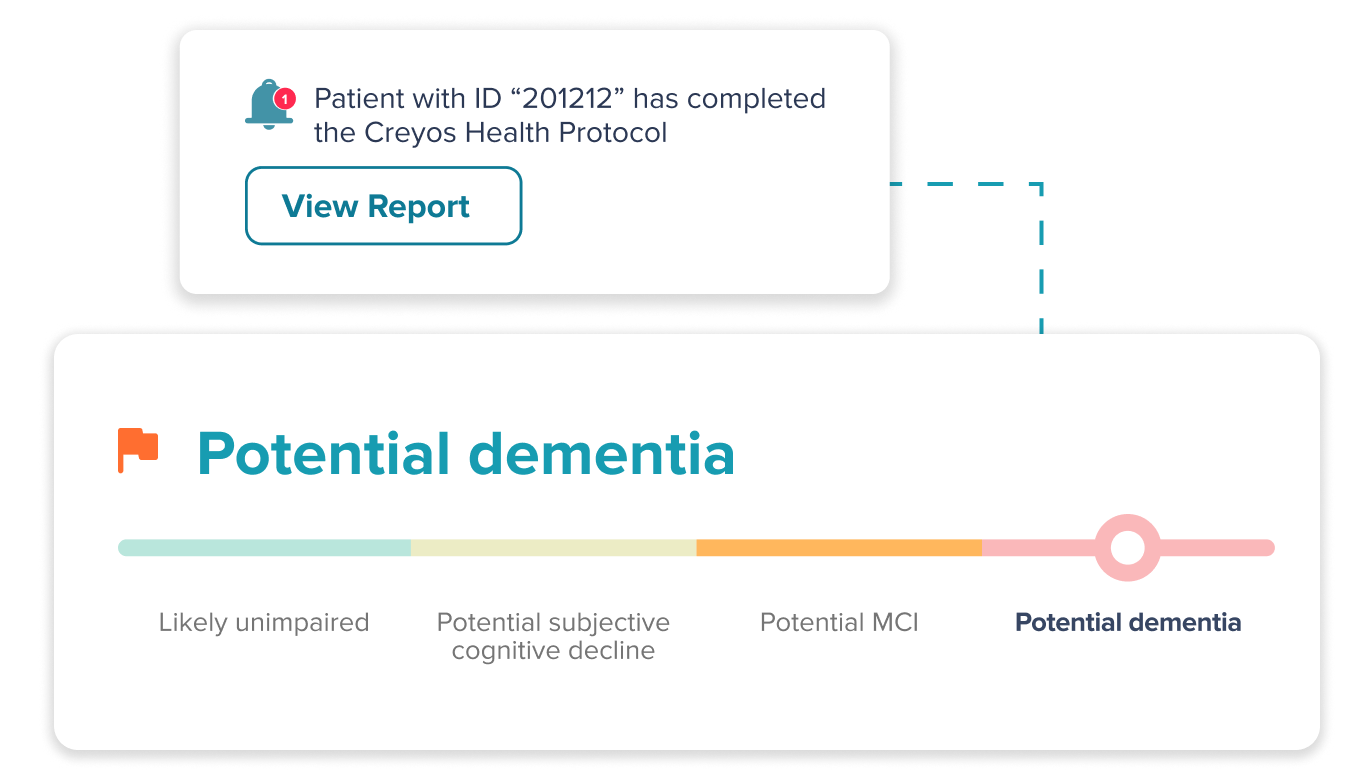
Results Are Instantly Available to Care Teams

Creyos generates standardized, age-benchmarked cognitive results that providers can review directly and use to inform care decisions, documentation, and next-step planning.

Results-3

Gain More Data to Support Population Health Initiatives

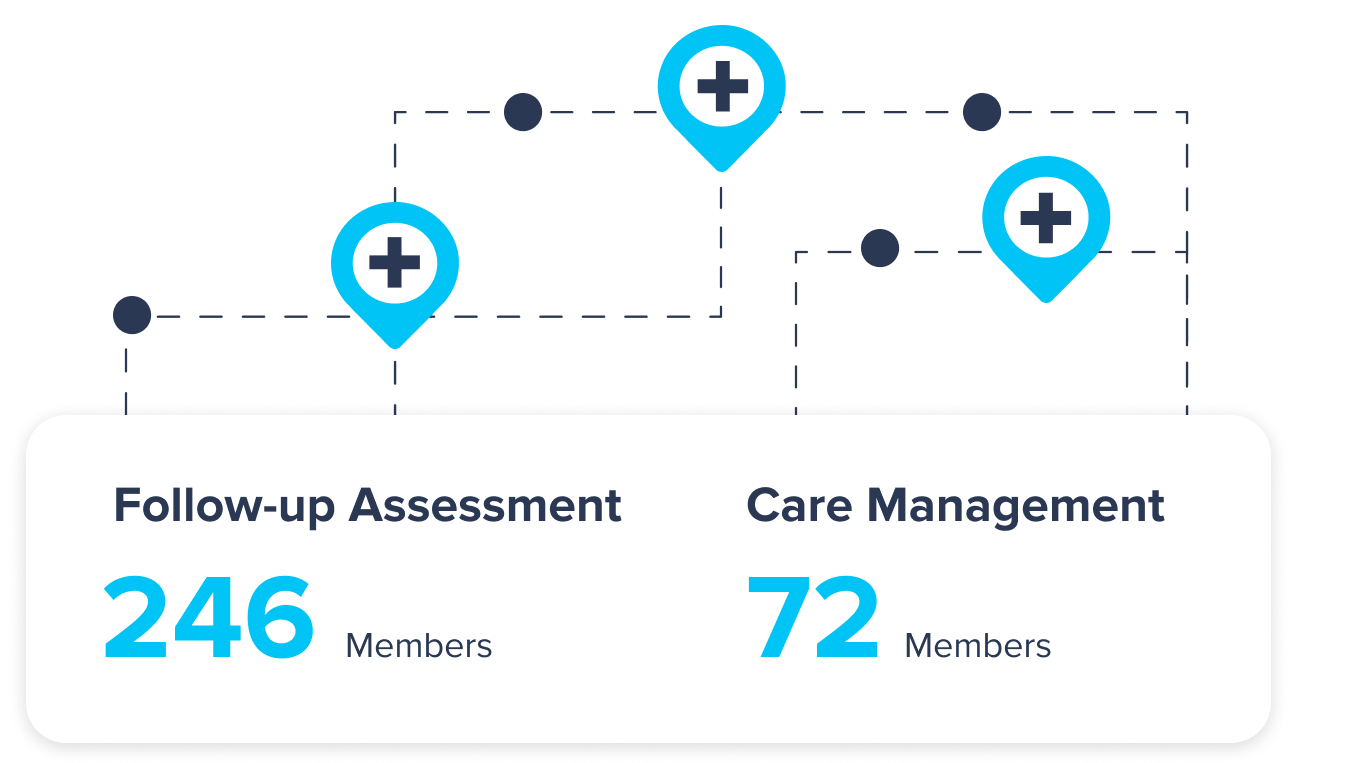
Nuanced and population-level cognitive data can feed plan-level initiatives such as risk stratification, resource prioritization, and longitudinal monitoring—without creating new reporting work.

Innitiatives-1

Reassessment Supports Ongoing Monitoring

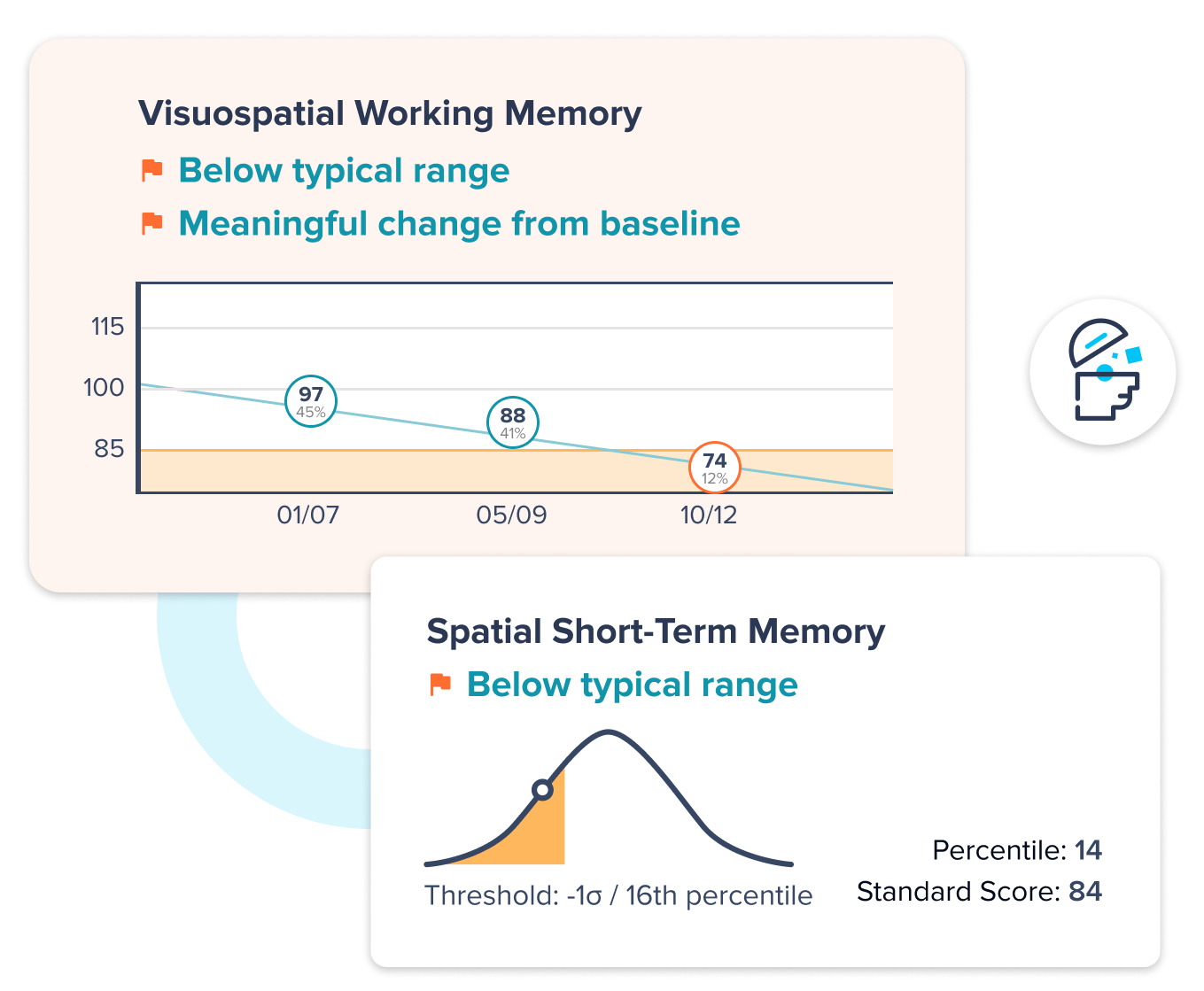
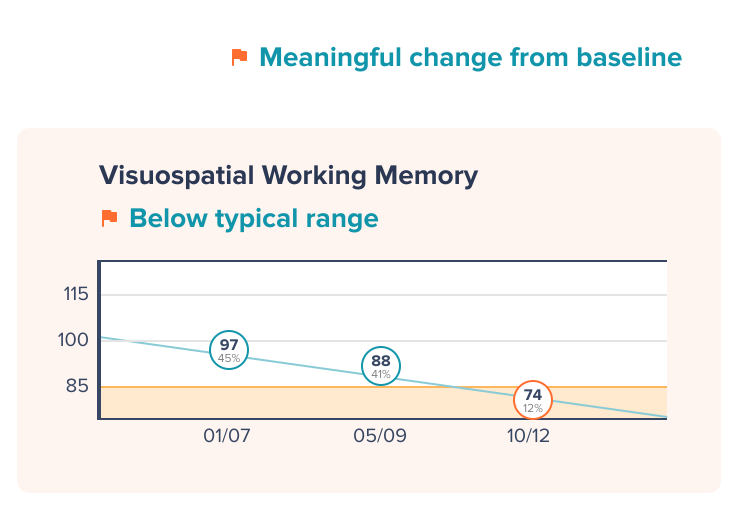
Providers can repeat assessments over time to observe cognitive change, helping plans and care teams proactively adjust support as patient needs evolve.

Monitoring

Supporting Key Drivers of

Medicare Advantage Plan Performance

VBC-2

Total Cost of Care 

Population-level cognitive insights support targeted, proactive care, improve outcomes, and reduce avoidable utilization across Medicare Advantage populations—helping risk-bearing plans protect margins.

RAF

RAF Accuracy

Sensitive cognitive testing at scale, paired with decision support for PCPs, drives accurate identification and defensible documentation of dementia across member populations.

Grounded in Neuroscience. Built for Scale. 

Creyos is based on decades of cognitive neuroscience research and validated across large, diverse populations. It provides domain-specific objective, interpretable cognitive data that supports more accurate clinical decision-making at the point of care. 

studies

400+ Peer Reviewed Studies 

database

85,000 Participant Normative Database

task

20 Million+ Tasks Completed 

Identify Hidden Cognitive Risk Before It Drives Cost & Care Complexity

Use scalable cognitive assessment to identify at-risk members early, intervene proactively, and reduce preventable complications and avoidable costs.

Talk to a Solution Expert

1 Persons undiagnosed or unaware of dementia experience worse hospitalization outcomes. Source: Amjad, H., et al. (2025). Hospitalization outcomes among older adults living undiagnosed or unaware of dementia. Alzheimer’s & Dementia (Amsterdam, Netherlands), 17(1), e70051. https://doi.org/10.1002/dad2.70051

2 Increasing MCI screening coverage from 0% to about 80% significantly reduces total Alzheimer’s-related medical costs by approximately 29.83% versus no screening. Source: Zang, G. Y., Rao, K., Wu, A. T., Tang, Y., & Zhang, Z. (2025). Cognitive impairment screening strategy to reduce the burden of Alzheimer's disease in Shanghai: A system dynamics approach. Journal of Alzheimer's disease reports, 9, 25424823251337941. https://doi.org/10.1177/25424823251337941

3 Markov model simulations show community-based dementia screening can achieve ~9.83% total care cost savings over 10 years compared to no screening. Source: Saito, E., Nakamoto, B. K., Mendez, M. F., Mehta, B., & McMurtray, A. (2014). Cost effective community based dementia screening: a markov model simulation. International journal of Alzheimer's disease, 2014, 103138. https://doi.org/10.1155/2014/103138

4 Economic analyses emphasize the importance of identifying MCI early to improve patient and economic outcomes and reduce future care costs. Source: Frech, F. H., Li, G., Juday, T., Ding, Y., Mattke, S., Khachaturian, A., Rosenberg, A. S., Ndiba-Markey, C., Rava, A., Batrla, R., De Santi, S., & Hampel, H. (2024). Economic impact of progression from mild cognitive impairment to Alzheimer disease in the United States. The Journal of Prevention of Alzheimer’s Disease, 11(4), 983–991. https://doi.org/10.14283/jpad.2024.68