
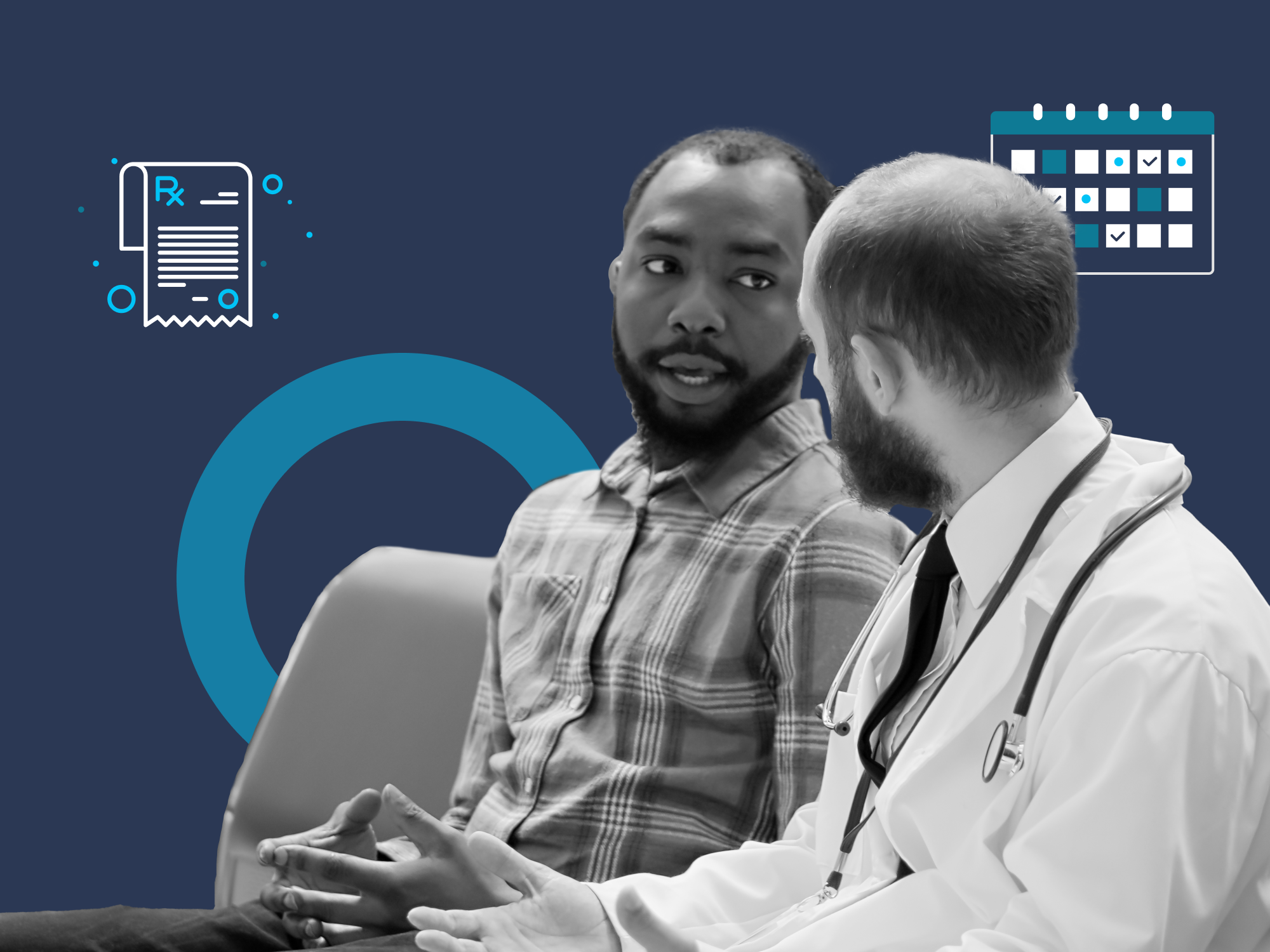
Why is personalized medicine important? Personalized medicine is a healthcare approach that tailors treatment to each patient’s unique needs, and when it comes to healthcare approaches, nothing gets clinicians closer to patient needs. A 2023 survey reported by TIME found that 70% of Americans feel let down by the healthcare system, leading 44% to skip or delay needed care. To rebuild trust and deliver more effective healthcare, clinicians must connect more deeply with their patients’ needs.
Healthcare policy is one factor influencing a greater adoption of value-based care. A personalized approach to medicine encompasses everything from genetic tests to learning about cultural preferences. Gathering this data guides clinicians towards the most effective medical treatment for each individual patient.
Personalization is especially important for brain health, where early intervention can put patients with dementia in a better position to make informed decisions about their care, according to the Alzheimer Society of Canada. This article explores the best tools and strategies for integrating personalized medicine into a primary care practice.
Article Highlights
Personalized medicine is a healthcare approach that tailors treatment to each patient’s unique needs, considering genetic, environmental, and lifestyle factors, along with personal beliefs and preferences.
- In one Veterans Health Administration (VHA) personalized health planning pilot, 100% of patients reported that their health care providers listened to their needs, and 97% described their experience as better than a traditional visit.
- In a three-year study, researchers found that personalized preventative care led to significantly lower rates of ER and urgent care visits.
- With over ten million new cases of dementia emerging worldwide each year, implementing personalized medicine into brain health is more important than ever.
- Personalization has potential downsides: genetic testing reveals personal information, it costs time and money, and many clinicians may not be able to properly interpret genetic and other tests.
What is personalized medicine?
Personalized medicine identifies patient health needs by considering genetic, environmental, and lifestyle factors, along with personal beliefs and preferences.
Rather than taking a one-size-fits-all approach to treatment, personalized medicine customizes interventions to match varying aspects of a patient’s health. This could range from identifying a gene that’s associated with a drug allergy to seeking oral medications for a patient who isn’t comfortable self-injecting a medication at home.
Why is personalized medicine an emerging field now?
There are several reasons why personalized medicine is becoming more mainstream:
- Advancements in genomic medicine: Genetic research from places like the National Human Genome Research Institute has rapidly expanded our knowledge of how genes influence health and disease. This has opened up new methods of disease detection, as well as information about treatment options.
- Advanced data analytics: The healthcare industry generates a massive and rapidly growing volume of data. With the rise of advanced analytics, clinicians can now rapidly analyze vast amounts of data to identify patterns and predict outcomes more accurately.
- Patient preferences: According to the 2022 Health Care Insights Study from CVS Health, over 80% of consumers believe personalized care is important, and would like their primary care provider to know about their family medical history, genetics, and lifestyle habits.
What is the difference between precision medicine and personalized medicine?
Precision medicine and personalized medicine are often used interchangeably, according to the U.S. Food and Drug Administration (FDA). Some healthcare professionals prefer one over the other, such as in this example from the National Cancer Institute.
Some definitions differentiate the two this way:
- Personalized medicine customizes medical treatment based on patients’ individual genetic, environmental, and behavioral characteristics. The goal is to take a patient-centered approach to optimizing care.
- Precision medicine focuses on using specific data from genetic tests to inform treatment decisions. It uses large genetic datasets to find patterns, predict outcomes, and determine the most effective interventions based on disease detection and risk.
Why is personalized medicine important in healthcare?
Taking a personalized approach to medical treatment has benefits for both patients and clinicians, including:
- Improved health outcomes: Personalized medicine tailors treatments to individual characteristics, helping patients and clinicians identify their unique needs. In one personalized health planning pilot program with the Veterans Health Administration (VHA), clinicians found that patients not only realized positive clinical outcomes, but also made positive changes to other areas of their health based on discussing personal information that would not typically be part of a clinical visit.
- Reduced adverse effects: Using patients’ pharmacogenomic information in treatment plans reduces the risk of dangerous side effects and allows clinicians to choose the best medications for each patient.
- Efficient resource use: A personalized approach to patient care can help clinicians avoid ineffective treatments, reducing associated healthcare costs. Plus, the time saved by personalized patient care can help reduce costs to the healthcare system overall, according to the American Journal of Health-System Pharmacy. However, more data is needed to determine the cost effectiveness for payers and individual clinicians.
- Keeping clinicians current with innovations: Personalized medicine encourages clinicians to stay informed about the latest medical advancements and techniques, enhancing their professional development. For example, pharmacogenomics certificate programs are available to help clinicians learn about how to apply precision medicine within a personalized care framework.
- Better patient-clinician relationships: Following the VHA personalized medicine pilot mentioned above, 100% of patients reported that their health care providers listened to their needs, treating them with dignity and respect, and 97% described their experience as better than a traditional visit. This level of trust is essential for high-quality patient care.
What are the defining elements of personalized medicine?
In healthcare settings, personalized medicine has a few defining elements:
Evidence-based
Evidence-based practice (EBP) is a well-established care model that prioritizes using the best available research evidence for clinical decision making and medical treatment. Clinicians seek out credible, peer-reviewed research, and use it alongside their clinical expertise and patient preferences.
For example, if research on genetic testing suggests that a commonly prescribed medical treatment may not work for certain patients, that evidence would be applied to a clinician’s own patients. From there, the clinician would explore other options to identify the right drug for each patient’s health.
Personalized medical treatments can be informed by the results of next-generation sequencing (NGS) tests, which map how a person’s genes affect their health. While genotyping is becoming more accessible, it is still a new technology. It’s important to stay up to date with the latest biomedical research, and with how it is being presented to a general audience of patients.
Whole person approach
According to the 2022 Health Care Insights Study from CVS Health, most consumers believe that healthcare should encompass physical, social, emotional, and mental health. They want more meaningful patient-clinician relationships that take a holistic, personalized approach to care.
Whole person care aligns with these values, and in personalized medicine, includes conversations about:
- Family history
- Environmental risk factors
- Lifestyle choices
- Personal preferences
With a full view of patient needs, doctors can create treatment plans that address all aspects of an individual patient’s health.
Focus on prevention
The 2023 survey reported by TIME found that 70% of Americans feel let down by the healthcare system, with 19% citing subpar focus on preventive care and wellness as a major issue. Preventative care is beneficial across all areas of patient care, but aligns particularly well with personalized medicine.
By learning about a patient’s lifestyle and family history, clinicians can anticipate disease risks and possible barriers to treatment, such as high healthcare costs. This information helps doctors to recommend preventative care that best suits each patient.
In a three-year study, researchers found that personalized preventative care led to significantly lower rates of ER and urgent care visits.
Patient-clinician relationship building
In the 2022 Health Care Insights Study from CVS Health, 81% of consumers said it is very important that their primary care provider was aware of their overall happiness and how they manage painful emotions.
Creating trust between patients and clinicians is the first step in any medical treatment, and a key part of that is listening. In fact, studies have shown that physicians have changed their approach to communication over time: Nearly 30% consider consultations to be psychosocial, focusing more on task-oriented communication and less on empathetic statements, according to Patient Education and Counseling.
Relationship building is a key element of personalized medicine because it allows clinicians to fully understand each individual patient’s health and offer the best possible care.
What are the potential downsides of personalization?
While personalization has the potential to deliver clearer diagnoses and better outcomes for patients, there are several risks to consider:
- Genetic testing reveals personal information: Many patients are reluctant to have their genome sequenced, and their fears may be warranted, for example if insurance companies use that information to deny payments.
- All personal information is sensitive: This makes data security an even higher priority.
- Personalization costs time and money: It’s only worth it when the clinical utility outweighs the costs.
- Too much up-front testing (including genetic) can cause distress: It can lead to chasing assessments or treatments for rare conditions, wasting healthcare resources, and other issues.
- Clinicians may lack expertise: Personalization tools are still an emerging technology, so many clinicians may not be able to properly interpret genetic and other tests, and properly apply that information in a way that benefits patients.
Less invasive technologies such as Creyos cognitive assessments can offer robust health data, support confident diagnosis and treatment, and deliver personalization, without the costs associated with genetic testing.
Personalized medicine in brain health care
With over ten million new cases of dementia emerging worldwide each year, according to Alzheimer’s Disease International, implementing personalized medicine into brain health is more important than ever. While dementia has many hallmark symptoms, they can vary widely among patients, requiring different treatments.
A few strategies for taking a personalized approach to cognitive care include:
- Testing cognitive function to determine each patient’s personal baseline, making it easier to detect deviations from typical behavior.
- Keeping up to date with fluctuations by including cognitive and mental health assessments in a patient annual wellness visit.
- Learning about patient habits and lifestyle to identify potential health risks and suggest behavioral changes. For example, if a patient who feels lonely is worried about the role of social activity in preventing dementia, a clinician could recommend social groups to help them connect with others.
By combining healthcare technology with strong patient relationships, doctors can monitor patients’ brain health more effectively and recommend ideal medical treatments.
Examples of personalized medicine in brain health care
Here are a few examples of how a personal approach to cognitive and mental health care can be applied:
Assessment tools
Cognitive health assessments provide a real-time snapshot of patients’ cognitive health status. Assessment tools should be user-friendly, scientifically validated, and generate detailed reports that integrate into patients’ electronic health records.
There are a few testing options depending on the patients’ current cognitive capacity. For example, while the popular MoCA test works for patients in advanced stages of cognitive decline, Creyos cognitive protocols are designed to identify both early and advanced signs of cognitive impairment.
Genetic considerations
Several genetic variations can predict susceptibility to Alzheimer’s disease. There are also rare forms of Alzheimer’s almost entirely determined by three familial genes, according to the Alzheimer Society of Canada. Patients with mutations in any of these genes will almost certainly develop early-onset familial Alzheimer’s disease. Knowing this genetic information enables clinicians, patients, and families to consider care plans before cognitive decline begins.
Social aspects of care
Social well-being plays a major role in elder care and can have a significant impact on cognitive health. When recommending community activities or companion services for older patients, knowing their individual preferences and interests can help create more meaningful and fulfilling social connections.
Delivering personalized brain health care: tools and strategies
With the right tools and resources, delivering personalized brain health care doesn’t have to be difficult. At Creyos, we offer healthcare providers a comprehensive suite of mental and cognitive health solutions, including behavioral health questionnaires, online cognitive tasks, and condition-specific protocols backed by a team of researchers.
Our assessments provide meaningful data to aid in diagnosing and managing disorders, including:
- Mild cognitive impairment
- Dementia
- Anxiety
- Mood disorders
- Substance misuse
- ADHD in adults and children
When it comes to taking a personalized approach to medicine, our solutions help:
- Reduce time spent on assessments, allowing clinicians to focus more on understanding their patients’ unique needs and preferences during appointments.
- Improve continuity of care with reports that automatically integrate into patients' electronic health records, ensuring seamless communication across the care team.
- Identify comorbidities such as mental illness and substance use disorder in order to determine treatment that meets individual patients’ complex needs.
- Improve patient compliance with easy-to-use assessments that can be completed either virtually or in person.
- Deliver assessments in multiple languages so patients can complete questionnaires in the language they are most comfortable using.
When Medcan began working with Creyos to deliver personalized health care, they included 15-minute mental and cognitive health assessments in patients’ annual wellness visits. With the data they collected, providers could initiate conversations with patients and learn more about their health experiences. From there, it became easy to address concerns, suggest lifestyle changes, and make referrals as necessary.
Reach out to us to learn about how our tools can help you take a personalized approach in your clinic.
Personalized medicine: genetics and beyond
By combining biomedical research and patient-centered care, personalized medicine helps clinicians deliver the best treatment for every patient. Genomic sequencing can identify a patient’s risk for certain diseases, while strong patient-clinician relationships reduce the stress of making medical decisions.
When it comes to mental and cognitive health, gathering patient data is the first step to making effective personalized treatment plans. Connect with Creyos today to learn about how our healthcare solutions can help you get to know your patients better.

Reviewed by Mike Battista, Director of Science & Research at Creyos
Mike Battista specializes in brain health, cognition, and neuropsychological testing. He received his PhD in personality and measurement psychology at Western University in 2010 and has been doing fun and useful stuff in the intersection between science and technology ever since.